



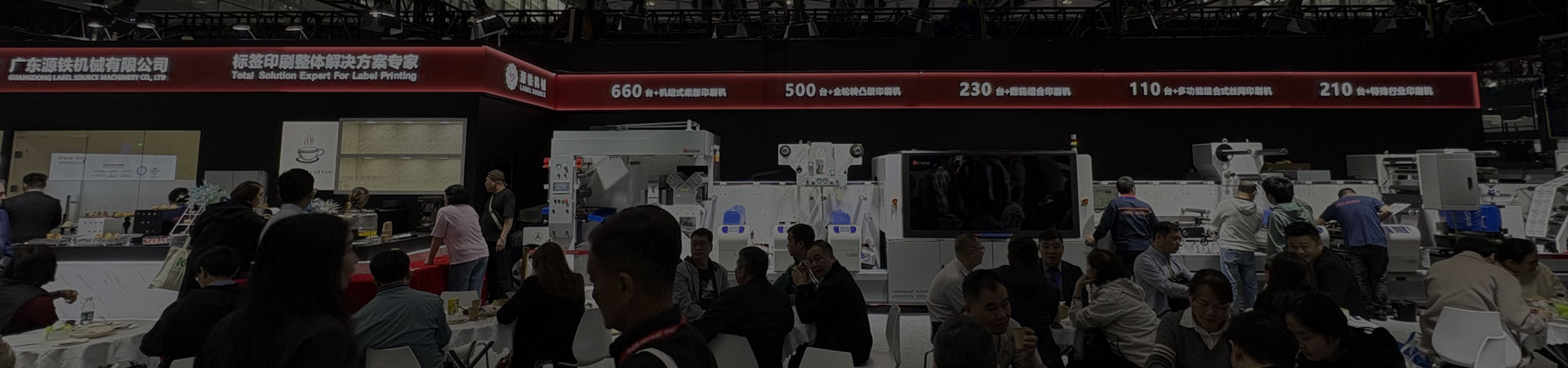

Reasons affecting the normal operation of the rubber rollers in a label printing machine
The issue stems from an excessively large clearance between the roller neck and the support sleeve of the label printing machine’s rubber roller, or a poor fit between the support sleeve and the adjustable track surface. Some have also suggested a quality defect in the rubber roller itself, affecting its normal operation. To address this, we inspected and analyzed each mating surface and dimension of the support sleeve, and all results were normal. We also measured the roller’s circular runout and diameter at multiple points using a dial indicator on a lathe. The measurements showed that the circular runout and diameter tolerances were within the first-class product range. Therefore, it seems that the dimensions of the coating machine’s components and the assembly dimensions, as well as the specific rubber roller itself, are not the problem.
To address the issue of excessive vibration affecting the normal operation of the label printing machine’s rubber rollers, we tested a worn-out, scrapped rubber roller on the varnishing machine. The old roller ran smoothly without significant vibration, indicating that the excessive vibration of the new roller was primarily due to inherent quality defects. Based on this, we conducted further investigation and analysis, ultimately concluding that the main cause of the vibration was a mass eccentricity within the roller. If this mass eccentricity is not eliminated during roller manufacturing, the resulting imbalance will inevitably cause vibration.
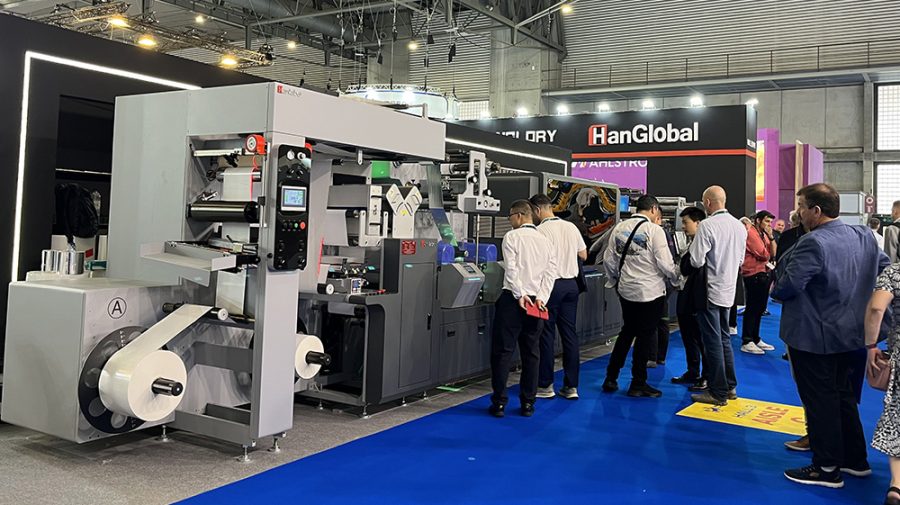
Label printing machines, also known as self-adhesive printing machines, are devices used to print labels and trademarks. Label printing and label equipment manufacturing have absorbed the strengths of various printing and post-press technologies, gradually forming a relatively independent system to adapt to the diversified development of label application fields.
-
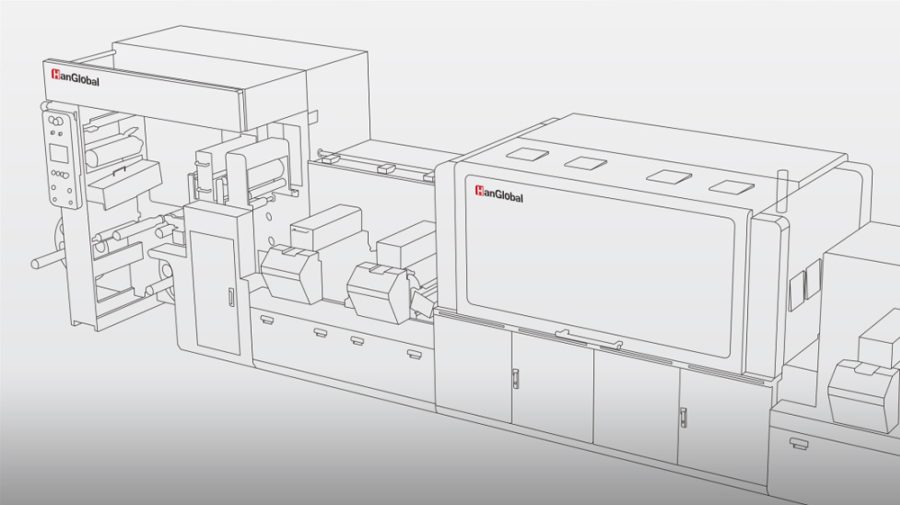 The secret to accurate and stable printing! A complete analysis of the core auxiliary modules of a 1200DPI Hybrid Digital Printer.Read More
 -
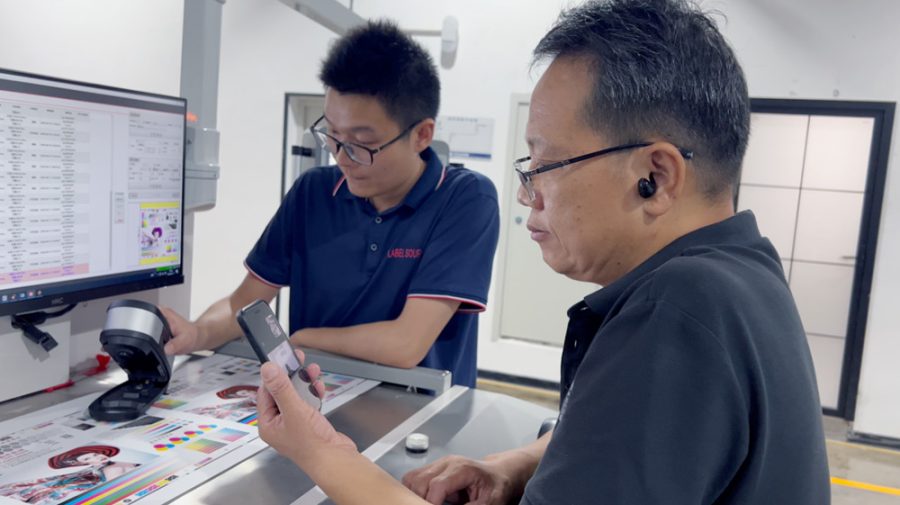 Color density measured ±0.02, Hanlabel & Label Source prove their strength with data.Read More
 -
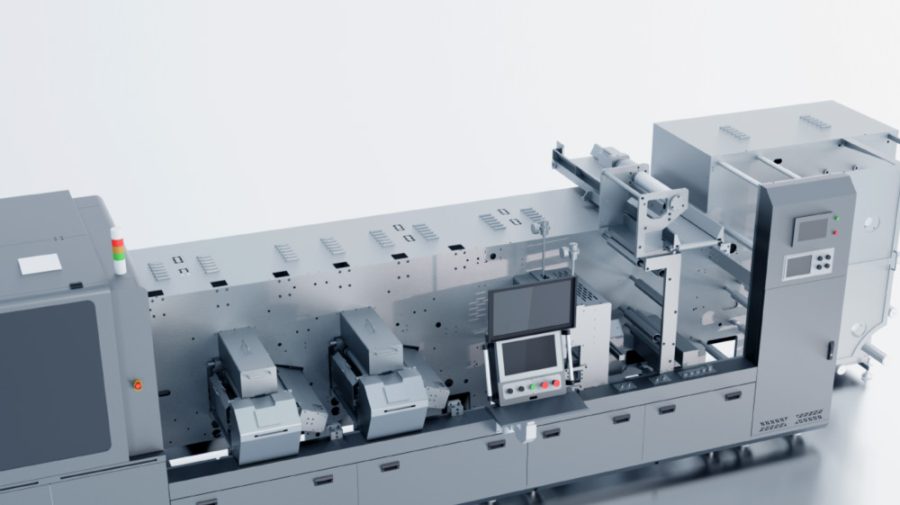 Adaptable to all scenarios! 1200DPI Hybrid Digital Printer, redefining label printing efficiency and quality.Read More